

I started noticing that some departments simply felt different.
During my first few years interviewing injured employees and conducting workplace assessments, a pattern became difficult to ignore.
Departments where supervisors were less engaged or more distant often had more unmanaged hazards and more injuries.
In departments with engaged supervisors, the atmosphere was often warmer. People seemed more willing to participate, speak honestly, and help one another. There were often fewer unmanaged hazards and fewer injuries as well.
That made me increasingly curious about something larger than safety:
What is it about some workplaces that brings out better judgment, stronger relationships, and more willingness to speak up?
That question has shaped much of my work ever since.
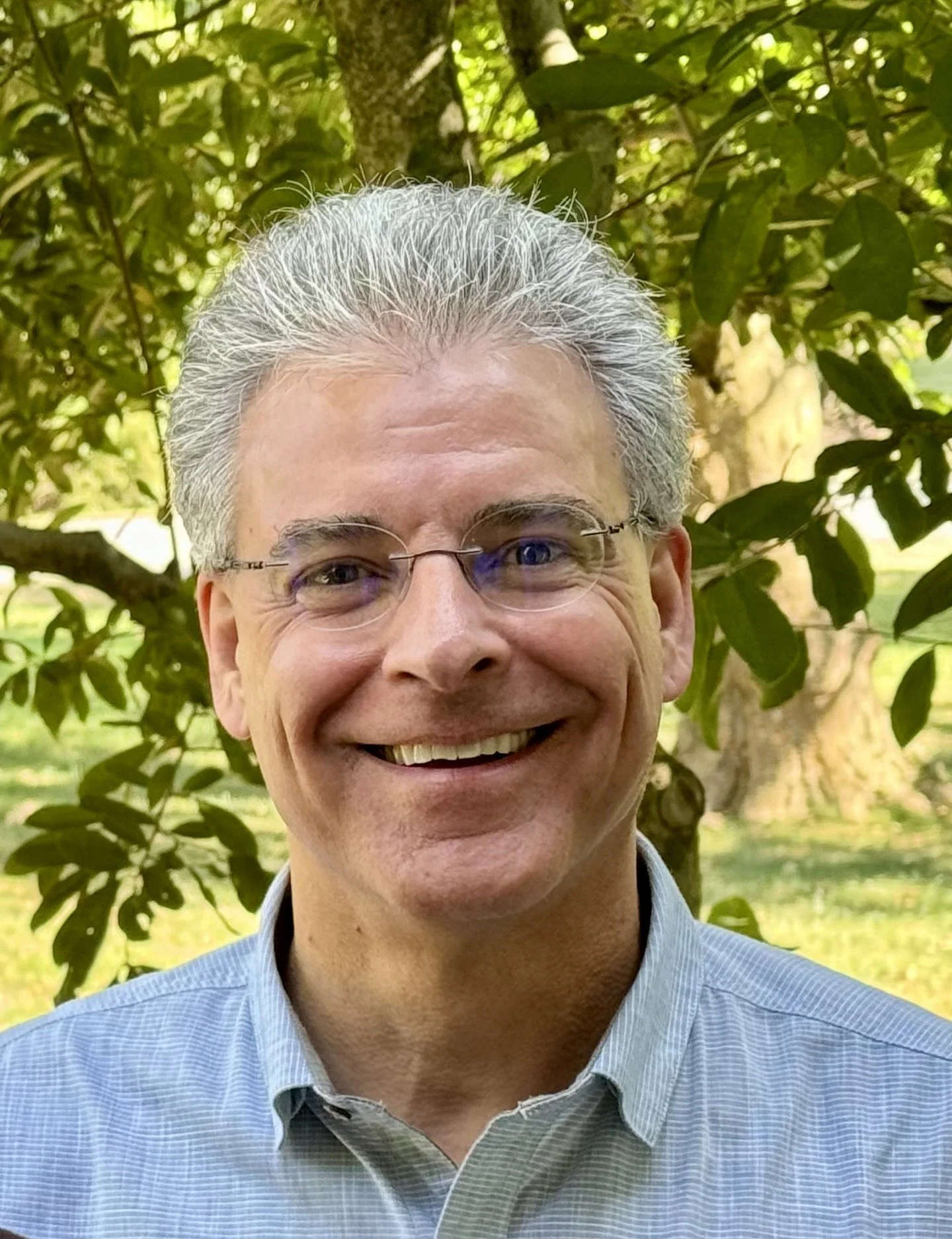
My work has always been about understanding what shapes people’s behavior at work.
I founded Monarch Risk Management and have spent more than two decades working with organizations in manufacturing, healthcare, and other complex work environments.
Much of that work has involved interviewing employees after injuries, studying recurring workplace problems, working with supervisors and managers, and helping leaders understand why the same problems can keep returning even after policies, training, and corrective actions are put in place.
Over time, that work expanded beyond safety.
I became increasingly interested in leadership, workplace culture, trust, decision-making, and the conditions that either help people use their judgment—or make that harder.
Today, I also co-own the Center for Applied Research in Dementia, where much of the work has reinforced the same lesson:
People often do better when the environment is designed to help them succeed.
We started asking a different question.
As I became more interested in why some departments seemed to bring out the best in people while others did not, I asked my business partner, Gary Johnson, to help develop a leadership program for supervisors and managers.
But rather than begin with a theory about good leadership, we started by asking employees.
Over time, we interviewed thousands of people and asked them to think about the best supervisor, manager, mentor, coach, or teacher they had ever had.
Then we asked a simple question:
What did that person do that brought out the best in you?
The answers were remarkably consistent.
People talked about being trusted. Being listened to. Being treated fairly. Having clear expectations. Knowing someone had their back. Being corrected without being humiliated. Being given enough support to succeed and enough room to think for themselves.
Those conversations changed the way I looked at leadership.
The best leaders were not simply getting people to perform.
They were creating conditions that made better performance more possible.
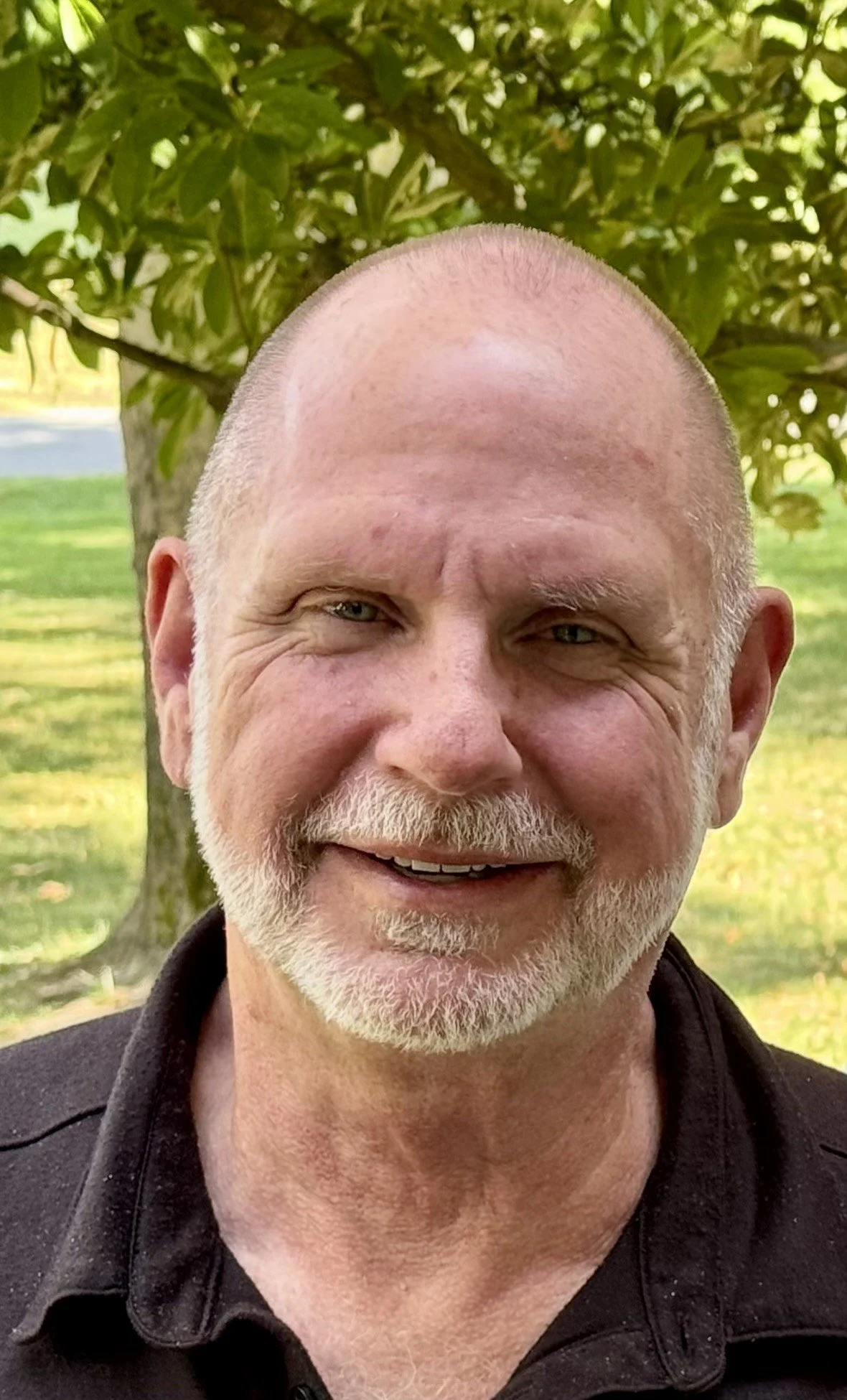
Gary Johnson
Partner & Leadership Development / Employee Engagement Specialist
Different parts of my work kept pointing toward the same thing.
Over the years, ideas from safety, leadership development, dementia care, workplace interviews, and my own experience with ADHD began to connect.
They all reinforced a similar lesson:
People do not make decisions in isolation.
What they notice, remember, question, and do is shaped by the environment around them—by pressure, expectations, relationships, routines, physical design, and the signals they receive from other people.
That realization gradually changed the way I thought about workplace problems.
An injury was no longer only an injury.
A communication breakdown was not only about communication.
A struggling supervisor was not necessarily a leadership problem in isolation.
Different outcomes could be growing from some of the same conditions.
That idea eventually became the foundation for DRIFT and Space to Think at Work.
The work is still about the same question.
How do we create workplaces where people have enough support, trust, and room to use their best judgment?
That question has taken me through safety, leadership development, employee interviews, dementia care, organizational culture, and eventually DRIFT.
Today, through Space to Think at Work, Gary and I continue helping leaders look more closely at the conditions shaping what happens inside their organizations—and what they may be able to change.
Better workplaces are not built by expecting perfect people.
They are built by creating better conditions for people to do their best work.